
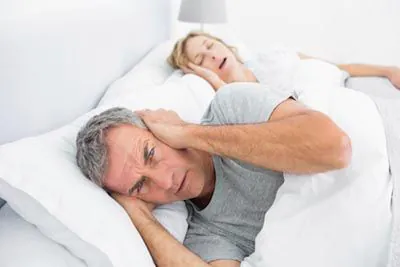
A good night's sleep should leave you feeling rested and ready for the day. But if you wake up tired despite spending enough time in bed, or your partner regularly notices loud snoring and pauses in your breathing, it may be worth looking beyond your sleep schedule.
Obstructive sleep apnea (OSA) is a condition in which the airway repeatedly becomes partially or completely blocked during sleep. These interruptions can reduce oxygen levels and cause brief awakenings throughout the night, even when you do not remember waking up.
Sleep apnea is more than a snoring problem. When left untreated, it can affect your energy, concentration, and long-term health. The good news is that treatment options are available, including custom oral appliances provided by a dentist for appropriate patients.
What Is Obstructive Sleep Apnea?
During sleep, the muscles in your throat naturally relax. In people with obstructive sleep apnea, the tissues around the airway can collapse or narrow enough to interrupt normal breathing.
These episodes may happen repeatedly throughout the night. Each interruption can briefly disrupt sleep as the body works to reopen the airway and restore normal breathing.
Because this happens while you are asleep, you may not realize it is occurring. A bed partner may be the first person to notice loud snoring, gasping, choking sounds, or pauses in breathing.
Sleep apnea can affect adults of different ages and body types. It should not be dismissed as simply a result of snoring or feeling tired.
Signs You May Have Sleep Apnea
Symptoms can vary, and not everyone experiences the same warning signs. Common symptoms of obstructive sleep apnea include:
- Loud, frequent snoring
- Pauses in breathing noticed by another person
- Gasping or choking during sleep
- Waking up frequently throughout the night
- Dry mouth or a sore throat in the morning
- Morning headaches
- Persistent daytime fatigue or sleepiness
- Difficulty concentrating or remembering things
- Irritability or changes in mood
Some people assume these symptoms are caused by stress, a busy schedule, or getting older. While those factors can contribute to fatigue, recurring breathing interruptions during sleep deserve attention.
If you recognize several of these signs, speak with a healthcare provider about whether a sleep evaluation is appropriate.
Why Untreated Sleep Apnea Can Affect Your Health
When breathing repeatedly stops or becomes restricted during sleep, the body experiences cycles of reduced oxygen and disrupted rest. Over time, untreated obstructive sleep apnea is associated with several health concerns.
High Blood Pressure
Repeated drops in oxygen and sleep disruptions can place stress on the cardiovascular system. Obstructive sleep apnea is associated with high blood pressure, and the two conditions commonly occur together.
Heart Disease and Irregular Heart Rhythm
Sleep apnea is associated with cardiovascular conditions, including coronary heart disease and certain abnormal heart rhythms. Repeated nighttime stress on the body may contribute to additional strain on the heart.
Increased Risk of Stroke
Research has linked obstructive sleep apnea with an increased risk of stroke. This is one reason it is important not to ignore symptoms or assume that snoring is harmless.
Daytime Fatigue and Concentration Problems
Frequent sleep interruptions can prevent you from getting the restorative rest your body needs. You may feel sleepy during the day, struggle to focus, experience memory difficulties, or have less energy for everyday activities.
Excessive daytime sleepiness can also create safety concerns, particularly when driving or operating equipment.
Sleep apnea does not guarantee that someone will develop these complications. However, the associations are serious enough that suspected or diagnosed sleep apnea should be evaluated and managed with appropriate healthcare guidance.
How Is Sleep Apnea Diagnosed?
A dentist can recognize signs that may suggest sleep-disordered breathing and discuss treatment options, but a dental exam alone does not establish a diagnosis of obstructive sleep apnea.
A medical evaluation and sleep testing are generally used to determine whether sleep apnea is present and assess its severity. Your physician or sleep specialist can help interpret the results and recommend an appropriate treatment approach.
This step matters because treatment depends on the type and severity of the condition, as well as your overall health and individual needs.
How Can a Dentist Help Treat Sleep Apnea?
For some patients, a custom oral appliance can be an effective treatment option for obstructive sleep apnea. These devices are designed to fit over the teeth and gently reposition the lower jaw or tongue to help maintain an open airway during sleep.
Oral appliance therapy may be appropriate for people with mild to moderate obstructive sleep apnea. It may also be considered for some patients with more severe sleep apnea who cannot tolerate positive airway pressure (PAP) therapy.
A custom appliance is different from an over-the-counter snoring mouthguard. It is designed for the individual patient's mouth and treatment needs, with follow-up visits to evaluate fit, comfort, and effectiveness.
What to Expect From Oral Appliance Therapy
At Southard Family Dentistry, Dr. Heather Bond-Southard offers custom-fitted oral appliances for patients with sleep apnea.
The process generally involves:
- Reviewing your diagnosis and treatment needs. Your dentist will consider your sleep evaluation, medical history, and oral health to determine whether an appliance may be appropriate.
- Taking records for a custom device. Impressions or digital records help create an appliance designed to fit your teeth and mouth.
- Fitting and adjusting the appliance. Your dentist will check the fit and make adjustments as needed to help position your jaw comfortably.
- Monitoring your progress. Follow-up visits help assess comfort, fit, and possible dental or jaw-related side effects. Your medical provider may also recommend follow-up sleep testing to evaluate treatment effectiveness.
Oral appliances are generally worn during sleep. They may be more comfortable or convenient for some patients than a CPAP machine, but they are not the right choice for everyone.
It is important to continue working with your physician or sleep specialist. Do not stop using prescribed CPAP or another treatment without discussing the change with your medical provider.
Why Choose Southard Family Dentistry?
Southard Family Dentistry offers sleep apnea therapy as part of its specialty dental services in Jonesboro, Arkansas. Dr. Heather Bond-Southard has pursued additional education in TMJ disorders, craniofacial pain, and dental sleep medicine, including fellowship training through the American Academy of Craniofacial Pain.
Her approach recognizes that jaw health and comfort are important considerations when providing oral appliance therapy. The team creates custom-fitted sleep apnea appliances and can help patients explore whether this treatment option fits their needs.
If you have been diagnosed with obstructive sleep apnea and are interested in an alternative to CPAP, or you want to learn more about oral appliance therapy, the office can discuss the next steps with you.
Learn More About Sleep Apnea Symptoms and Treatment
Loud snoring, breathing pauses, and constant fatigue are not symptoms you should simply learn to live with. Untreated sleep apnea can affect more than your sleep, and getting an accurate diagnosis is an important first step toward protecting your health.
If you have already been diagnosed with mild to moderate obstructive sleep apnea, a custom oral appliance may be worth discussing with your healthcare team.
Southard Family Dentistry provides custom sleep apnea appliances in Jonesboro, AR. Contact us today to schedule your consultation and learn more about oral appliance therapy.
